When the heat goes out in Gilroy, CA, the clock starts ticking, and the diagnosis depends entirely on what kind of system is doing the failing. On a gas furnace, the single most frequent culprit is a flame sensor coated in oxide: the burners light, the sensor cannot prove the flame, and the board shuts the gas down after the third attempt and locks out. Close behind come cracked hot surface igniters, stuck pressure switches, clogged condensate traps on high-efficiency models, and blower motors that have quietly worn out. Heat pumps fail differently: a weak defrost cycle leaves the outdoor coil armored in ice, a failed reversing valve strands the system in cooling, and a dead outdoor unit leaves the electric backup strips carrying the whole house at several times the operating cost.
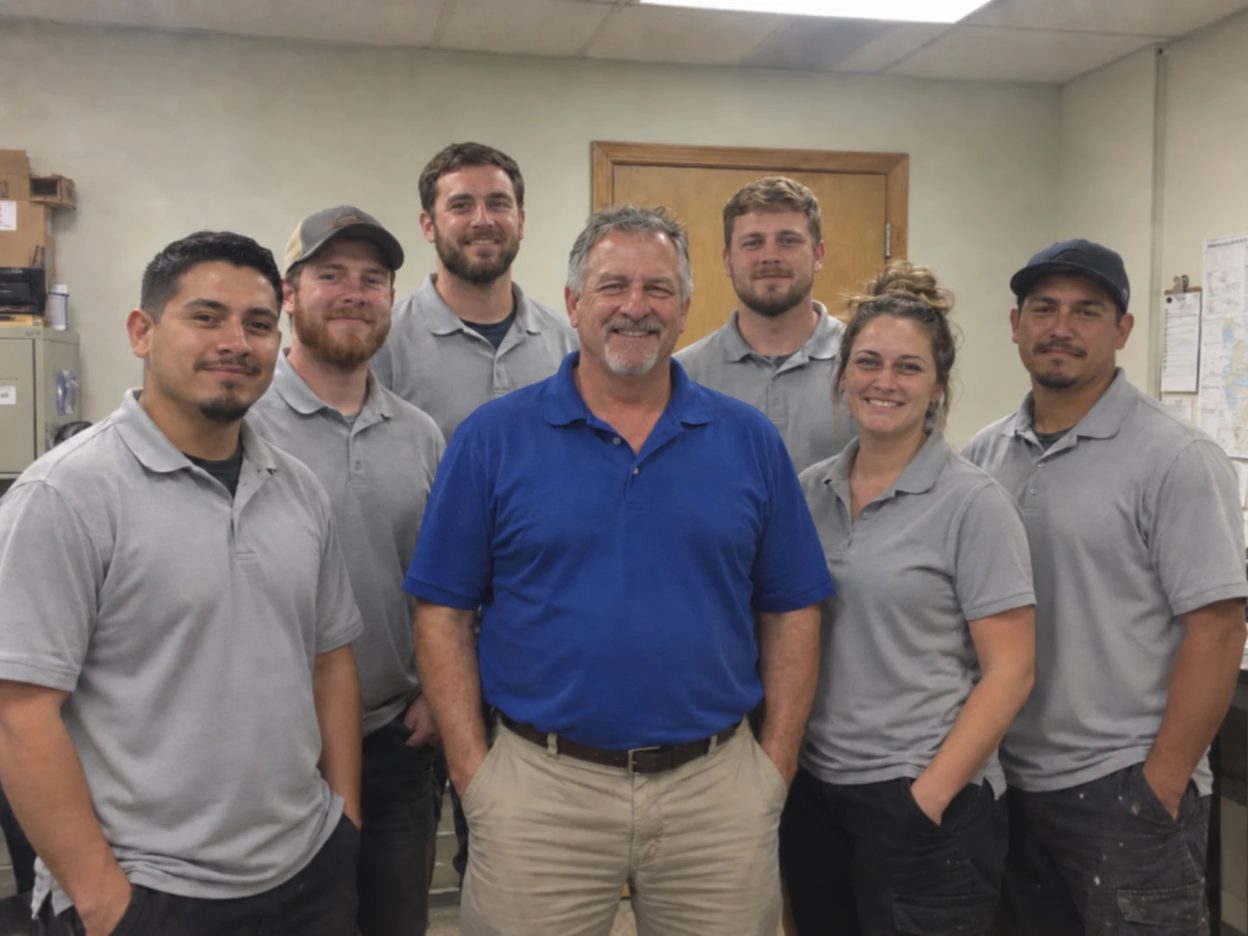
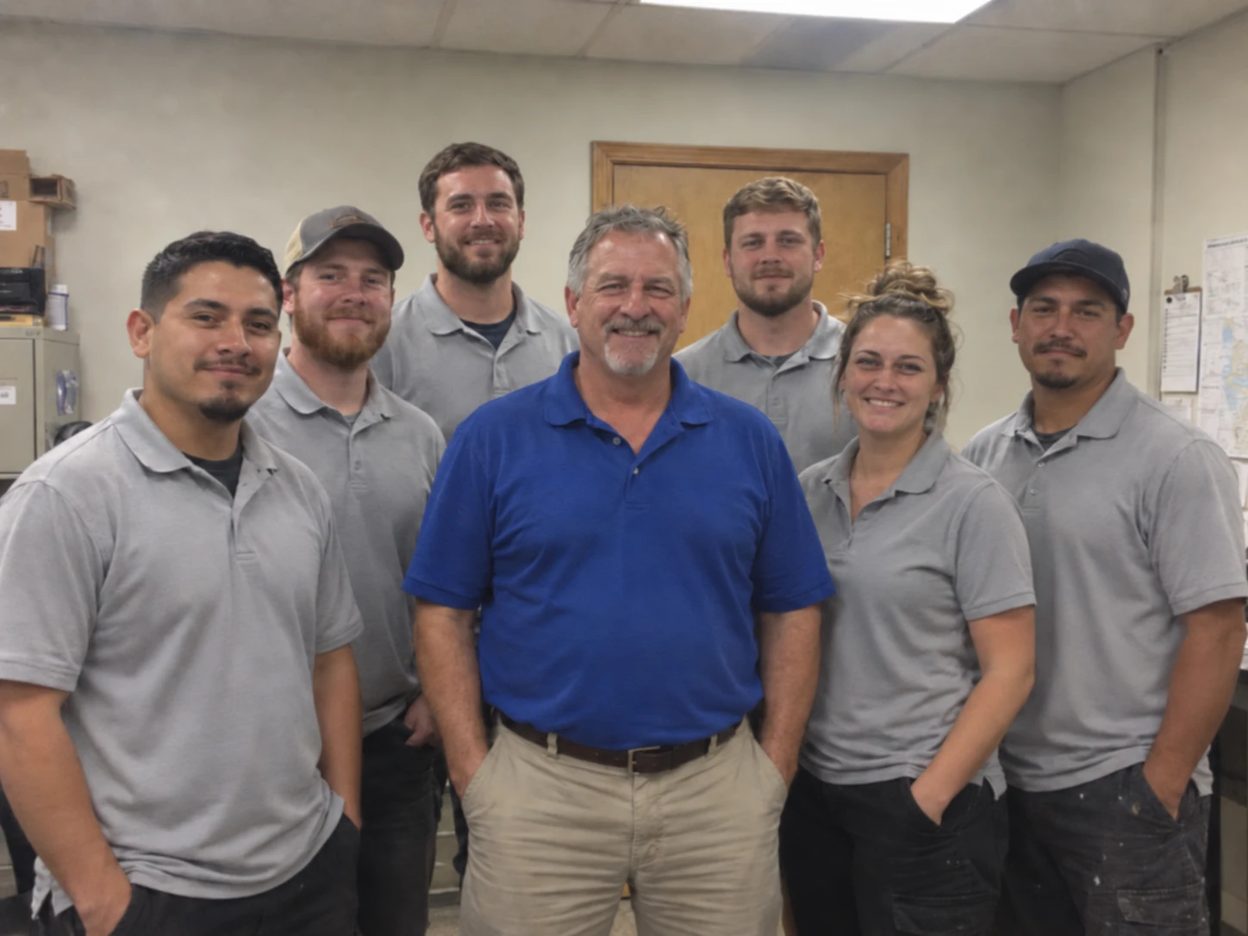
Guessing gets expensive on a cold night, so Gilroy HVAC treats every heating call as a diagnosis first and a repair second. Our experienced technicians measure before they replace anything: microamp flame signal, igniter resistance, pressure switch response to actual inducer draft, capacitor and motor readings, plus charge and defrost checks when the system is a heat pump. On gas equipment, safety checks are part of the routine, not an add-on. Gas connections are leak-tested, the heat exchanger is inspected, and venting is verified, because warm air from an unsafe furnace is not a fix.
Furnace, heat pump, air handler, boiler, or ductless unit, and whatever brand is on the nameplate, we service it. Stocking igniters, flame sensors, capacitors, inducer motors, and blower motors on every truck means most homes are warm again the same visit. And if a repair no longer makes sense for aging equipment, we tell you so honestly and lay out the options with real numbers. Call (408) 694-4630 for heating repair anywhere in Gilroy, and we will get the warm air moving today.
Most of our service calls are for Furnace Repair in Gilroy. That's the place to start if you need a fix today.
Warning Signs for Heating Repair
Recognizing the warning signs early can save you time, money, and prevent significant damage to your property. These are the signals our technicians see most often when a problem is underway:
- Frequent on-off cycles that never bring rooms up to temperature
- A loud boom when the burners light, which points to delayed ignition
- The thermostat calls for heat but the vents blow cold air or nothing
- A rotten-egg, burning, or musty smell once the heat kicks on
- A furnace that tries to light, clicks, and then quits
- Heating bills spiking while comfort keeps falling
- Uneven heat, with certain rooms that never warm up
- A heat pump's outdoor unit encased in frost or ice
Don't Wait for a Total Failure
A failing capacitor, clogged condensate drain, or dirty flame sensor rarely fixes itself and usually gets more expensive to address the longer it runs. At the first hint of a problem, reach out to Gilroy HVAC at (408) 694-4630 for a fast inspection.
Ready to Solve Your Heating Repair Problem?
Call our expert team for pricing today.
Call (408) 694-4630 NowHeating Repair FAQ
Why Professional Heating Repair Matters
Some of the most dangerous heating failures are the ones nobody notices. A cracked heat exchanger can send combustion gases into the supply air, a blocked or failing flue can spill carbon monoxide into the house, and a furnace that lights late booms gas inside the exchanger, weakening it a little more every cycle. Without instruments, none of it is easy to spot. Even routine symptoms can mislead: a short-cycling furnace may have a bad limit switch, or it may simply be shutting down to protect itself from a choked filter. Clean a flame sensor without asking why it fouled, and the next lockout is already on the calendar.
Our experienced technicians bring instruments and judgment to both problems. Flame signal is measured, not assumed; heat exchangers are inspected; draft is verified at the flue; temperature rise is checked against the data plate so the blower speed matches the fire. On heat pumps we test defrost boards, sensors, and reversing valves rather than condemning the compressor on a hunch, and we check whether the backup heat strips have been quietly running your bill up for weeks. The repair you get is one that has been proven safe and correct under a full cycle, which is exactly what you want from anyone touching the machine that keeps your family warm.
How Our Heating Repair Works
We work through a clear, repeatable process so nothing gets overlooked on your property. Here's what you can expect when you choose Gilroy HVAC:
Testing & Safety Check
Each call begins with measurements, not guesses: flame signal, igniter resistance, pressure switch response, and motor and capacitor health, plus refrigerant charge and defrost on heat pumps. Gas connections are leak-tested as standard.
Clear Findings & Upfront Quote
Before we pick up a tool, we walk you through what broke, why it broke, and what it will cost. And if the findings, like a cracked heat exchanger or a dead compressor, point toward replacement, we say so plainly.
Expert Repair
The majority of repairs wrap up in one trip. The parts that fail most often, including igniters, flame sensors, pressure switches, capacitors, and motors, are already on the truck, so the heat is back on before we head out.
Full Cycle Verification
Before we leave, the system runs through full heating cycles while we measure temperature rise against the data plate, confirm combustion and draft on fuel-burning equipment, and check each safety control.
How to Prevent Heating Repair Problems
Taking preventive measures can help you avoid costly heating and cooling problems down the road. Start with these practical measures our team relies on:
- Keep the area around the furnace clear so the burner gets adequate combustion air
- Make sure every level has a working carbon monoxide detector, and test it monthly
- Clear snow, leaves, and overgrown shrubs from around the heat pump so defrost works properly
- Replace filters monthly through the heating season to keep airflow strong and the heat exchanger from overheating
- Book a fall tune-up so worn parts are caught before the first cold night
- Do not ignore a boom at ignition or a new rattle, since early repairs cost far less
- Move solvents, paints, and pool or laundry chemicals away from the furnace to protect the burners from corrosive vapor
DIY vs. Professional Heating Repair
Some simple checks are suitable for DIY, but most heating and cooling repairs benefit from professional tools, training, and experience. Consider the following comparison:
| Factor | DIY Attempt | Professional Service |
|---|---|---|
| Carbon Monoxide | Invisible risk goes unchecked | Draft and heat exchanger checked every visit |
| Troubleshooting | Guessing from a blinking code | Every component tested with a meter |
| Gas Connections | A loose fitting goes unnoticed | Instrument leak testing as standard |
| Heat Pumps | Defrost problems misread as total failure | Boards, sensors, and valves tested properly |
| Root Cause | Quick fix, same failure next week | Cause found, not just the symptom |
| Verification | Called fixed after a single cycle | Full cycles run, temperature rise confirmed |
Get Heating Repair Help Today
The sooner you call, the sooner your comfort is back. Reach Gilroy HVAC for fast service.
Get Help: (408) 694-4630Heating Repair Near Gilroy
Our technicians handle heating repair throughout Gilroy and the surrounding communities, with the same upfront pricing everywhere we work.